
1951 gave us some technological discoveries & inventions. We have written a list of the top 5 inventions that were made in the year 1951

Image Source: invent.org
Videotape recorder
Invented by – Charles Ginsburg
In 1951, inventor Charles Paulson Ginsburg, also known as the "Father of the Video Cassette Recorder," invented the video cassette recorder. The VTR transformed the system of television broadcasting. Television signal tape recording stems from shortly after World War II when audio tape recorders were employed to capture the extremely high-frequency signals required for television. To obtain high-frequency responsiveness, these early machines were pushed to their limits, running the tape at speeds of up to 240 inches per second. Their machine revolutionized television broadcasting, with a few exceptions, including as sports coverage; recorded programming nearly superseded live telecasts.
Read More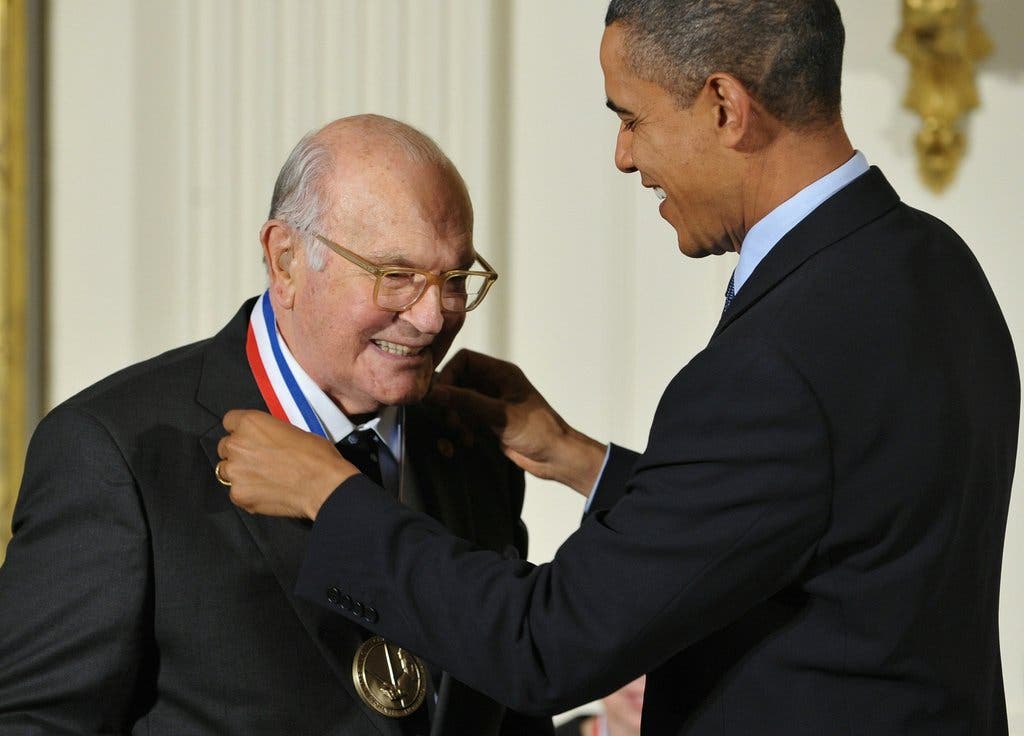
Image Source: nytimes.com
Super glue
Invented by – Harry Wesley Coover Jr.
Eastman 910, often known as Super Glue, was invented by Harry Wesley Coover Jr. In 1951, he created the product. Cyanoacrylate was found in 1942. They were discarded because they were too sticky to be useful at the time. Coover and his colleagues at Eastman Kodak revisited cyanoacrylates in 1951. When cyanoacrylates were tested again and found to be too sticky, Coover was overseeing Kodak chemists studying heat-resistant polymers for jet canopies. Coover realized he had created a unique glue when a chemist in the group informed him that he had permanently destroyed an expensive refractometer by gluing it together. It was first made available for purchase in 1958.
Read More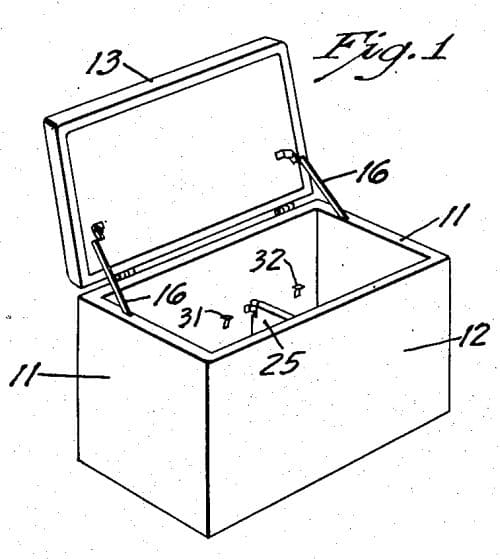
Image Source: Wikipedia
Cooler
Invented by – Richard C. Laramy
In 1951, Richard C. Laramy of Joliet, Illinois, is credited with inventing the portable cooler. In December of 1953, he secured a patent for the portable ice chest and comparable goods. A cooler, also known as a portable ice chest, icebox, or cool box, is an insulated container that is used to keep food or beverages cool. It is most typically filled with ice cubes to keep the contents chilly. Ice packs are occasionally utilized because they either contain the melting water or have a gel sealed inside that keeps the ice colder for longer than plain ice (absorbing heat as it changes phase). Picnics, vacations, and holidays are all common occasions for bringing a cooler.
Read More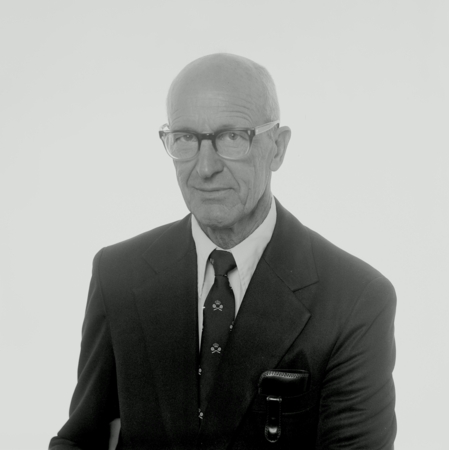
Image Source: ucsd.edu
Wetsuit
Invented by – Hugh Bradner
In 1951, Hugh Bradner invented the wetsuit. He was a scientist whose creation of the wetsuit revolutionized scuba diving, water surfing, and other water sports. He began experimenting with neoprene, a rubbery polymer that he discovered on the recommendation of Scripps Institute scientist Willard Bascom. Bradner sought a U.S. patent for the wetsuit, but his application was denied due to similarities in design with the flying suit. The United States Navy also did not adopt the new wetsuits due to concerns that the neoprene in the wetsuits would make its swimmers more visible to underwater sonar, and thus could not profit solely from his invention.
Read More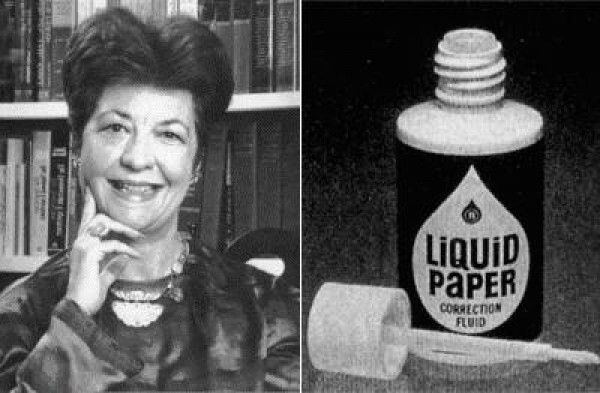
Image Source: inclusity.com
Correction fluid
Invented by – Bette Nashmith Graham
Correction fluid is an opaque, generally white fluid that is applied to paper to cover text errors. It can be scrawled or typed on once it has dried. It's usually sold in little bottles with lids attached to brushes that dip into the fluid. The fluid is applied to the paper with the brush. Correction fluid greatly aided the production of typewritten documents prior to the invention of word processors. Bette Nesmith Graham, the founder of Liquid Paper, produced one of the earliest types of correction fluid in 1951. Manufacturers began making their fluids in various matching hues, mainly reds, blues, and yellows, with the introduction of colored paper stocks for office usage.
Read More